findsforpets.blogspot.com

News For Pet Owners

powered by Surfing Waves

2/16/25

The Home of Champions | 5 Horse Barn Ideas for Your Equine Athlete

  70a59a7310fc83388a86f8472acfc42e

The Home of Champions | 5 Horse Barn Ideas for Your Equine Athlete

Nature’s designed horses to live outside all their lives. Some breeds like the Icelandic horse can stand around happily in temperatures up to -20 degrees Fahrenheit.

However, most pampered ponies of today are ill-equipped to withstand these kinds of hardships, especially when they work for a living. 

So if you prefer to keep your precious equines undercover, read on. We’ve got some fabulous horse barn ideas to ensure their maximum comfort.  

1. Basic Essentials 

Most horses are perfectly happy with a simple shelter to spare them from the worst of the weather. They’re very efficient at converting food into heat to keep themselves warm. 

However, if you want your horse to conserve their energy for more important things like competitions or trail riding, you’re better off keeping them inside.  

Building stables is a good way to provide constant shelter for your horse, so after that, all you need to do is ensure they have a constant supply of water and hay to satisfy their basic needs.

2. Space Considerations

Horses are large animals and need plenty of space to turn around and lie down in their accommodations. You’ll also need enough room to groom, feed, and tack them up inside your barn or stable.

Experts recommend a minimum stall size of 12ft by 12ft to account for these aspects.  

If you’re looking at horse barn designs, plan to leave a corridor at least 12ft down the middle. This allows enough room for the passage of animals as well as stablehands pushing wheelbarrows or carrying feed bags. 

Free-standing stables are best when they have an overhang of about 6ft to stop the sun and rain.

Be sure to take these minimum dimensions into account in your horse stall plans. 

3. Extra Conveniences

No stable design is complete without a few creature comforts of the human as well as equine kind. 

Including a feed and tack room in your barn design or attaching them to the end of your stable block makes riding and feed time much easier. 

Fans make your stables a no-fly zone for pests, and a seating area with a coffee station is a nice place to relax and socialize with your barn mates after a ride.

A small run attached to each stable also allows your horses to indulge in outside time ad-lib without expending too much energy.

4. Safety Considerations

Horses are extremely curious which makes them notoriously accident-prone. If there’s a loose nail or jagged edge somewhere, you can bet they’ll find it. 

Invest in fixed mangers and water feeders to avoid feet getting stuck in unfortunate places. 

Tamper-proof bolts on all your stable doors will prevent escape artists from getting out and hurting themselves or breaking into the feed room. 

Make sure any hooks for tack and cleaning equipment are out of reach of enquiring noses. 

5. Upmarket Horse Barn Ideas

Of course, there’s more to stable designs than brick and mortar. The latest innovative equine systems mean you can add as much bling to your stable yard as your budget allows.

From polished wooden partitions to elegant stonework, the sky’s the limit when it comes to horse barn designs. 

Find out More

The internet is an excellent source of inspiration for your horse barn ideas or, in fact, anything you want to know.

Keep browsing our website for more useful ideas and information about the world around you. 

#Horses

The Farmers Dog


#TheFarmersDog #Dogs #DogFood

Dogster Photo Contest: Dogs of the Week Winners (Feb 13, 2025)


Dogster Photo Contest: Dogs of the Week Winners (Feb 13, 2025)


2025 Pet Wellness Guide: Ensuring a Healthy and Happy Year for Your Pets


2025 Pet Wellness Guide: Ensuring a Healthy and Happy Year for Your Pets

As we step into a new year, it's not just humans who can benefit from fresh starts and healthy resolutions—our pets deserve the same level of care and attention! Whether you have a playful kitten or a loyal pup, 2025 can be the year to prioritize their well-being. Here’s how you can ensure your cat or dog thrives physically, mentally, and emotionally throughout the year.


Physical Health: Keeping Pets Active and Fit

Regular exercise is essential for maintaining your pet’s overall health and happiness. Dogs thrive on daily walks, interactive play sessions such as fetch or tug-of-war, and socialization opportunities at dog parks (for those that enjoy canine company).

Cats also require physical activity to stay fit and entertained. Provide them with interactive toys, cat trees for climbing, or even safe outdoor adventures if they are accustomed to it.

Grooming is another crucial aspect of pet care. Routine brushing helps prevent painful matting and keeps their coats in excellent condition. Additionally, dental care should not be overlooked—regular teeth brushing as recommended by your veterinarian can prevent oral health issues.

Mental Health: Keeping Their Minds Engaged

Mental stimulation is just as important as physical activity. Engage your pet’s problem-solving skills with enrichment toys that encourage searching for hidden treats. Training sessions, whether teaching your dog a new trick or even training your cat, are excellent ways to enhance their cognitive abilities.

Positive reinforcement, including treats, affection, and praise, helps reinforce good behavior and keeps your pet motivated and engaged.

Emotional Health: Creating a Loving and Stress-Free Environment

Your pet’s emotional well-being plays a vital role in their overall happiness. Ensure they have a safe and comfortable environment with cozy beds and quiet spaces for relaxation. Spending quality time with your pet—whether through cuddles, playtime, or outdoor adventures—strengthens your bond and enhances their sense of security.

Be attentive to behavioral changes, as these could indicate stress or health issues. A stress-free pet is a happier, healthier companion, so always observe, adapt, and provide the care they need.

By focusing on physical, mental, and emotional well-being, you can make 2025 a joyful and fulfilling year for your pets. Their happiness and health contribute to a more rewarding and loving pet-owner relationship.


Make this year their best one yet!

#Dogs #Cats #Pets #PetWellness

2/15/25

The SHE-Wolf...


The she-wolf has this habit of wrapping herself around the neck of her wolf because the neck is the most vulnerable part of the animal.


By doing so, she shows him her unconditional love.


For ethologists: Wolves are the most loyal and loving animals: they have only one partner throughout their life. The wolf is known to have an almost extraordinary tenderness and affection towards his she-wolf...which she knows perfectly well to return.

By Stephanie Brown Photography

#Photography #Animals #Wolves #Wolf #Pets

2/11/25

FISH AS PETS – A COLORFUL EXPERIENCE


FISH AS PETS – A COLORFUL EXPERIENCE


If you want something new for your house, think about fish and aquariums… big aquariums, because they go with these times’ fashion.

The little golden fish wondering alone around his bowl seems to be long forgotten.

Instead of the little bowl, there are now huge aquariums, mounted on the walls or even enclosed in them, containing lots of colored fish, sand, lights, little stones and aquatic vegetation. Optionally you can choose a little castle of house to make the décor unique and fantasy-lie.

This idea has been adopted from restaurants, clubs or other public locations, but now it applies to homes of animal lovers, fish lovers especially.

You have decided to adopt fish because you like them or because you heard they bring prosperity and well-living to your life. Either way, you have to know how to take care of them because they are not just a decorative object; they are living beings that can’t take care of themselves.

They are going to need your full attention and care, they will totally depend on you. Here is some general advice, general because each species act differently and has different needs:

What do we need?

We need an aquarium, a thermometer, a heating system, a water filter, and plants to oxygenate the water, sand and little stones, and a source of light for the plants.

How do we actually do it?

Before placing the fish in the aquarium, the water needs to be left alone 24 hours and its temperature has to be of a minimum of 22-23 Celsius (it can differ for some species). The water is not changed all at the same time, it needs to be changes in several stages, 20% on each stage.

How do we feed fish?

Twice a day, we give them the dried food, the life food or the frozen one, depending on the species.

How do we treat sick fish?

The most common illness encountered amongst fish has as an exterior effect the apparition of some white pits on the flippers of the fish. In such situations, treatments are administrated in the aquarium to prevent the illness from spreading to the other fish too. For the right treatment, you have to go to a fish heath shop.

Another rule in fish illnesses of any type is to just raise the temperature of the water in the aquarium and to dissolve some salt in it.

#Fish #Pets

Teaching Kids And Pets To Co-Exist Peacefully


Teaching Kids And Pets To Co-Exist Peacefully


It is possible for children and pets to coexist in the same household, peacefully. Many people mistakenly think that as soon as they start having children that their pet needs to head to the local shelter. They fear that the cat or dog will not get along with the new child and it will result in biting or scratching. This is not always the case and if you take the time to introduce your pets to your children properly, your kids and pets can live in harmony. 


One of the biggest concerns that new parents have when it comes to pets in the home is how it will react to a baby. Many of the old wives tales such as cats sucking the breath out of babies simply are not true. In fact, many cats and dogs readily accept a new child into the home and become fiercely loyal and protective over the baby. 


When you bring your baby home from the hospital, you should introduce your pet to your new baby. Of course, these introductions need supervision. Allow your cat or dog time to sniff your child at his or her own pace. Make the introduction pleasant for your cat or dog. In most cases, your cat or dog will not give your baby a second thought. Allow your pet to adjust to the new situation on his or her own terms. When a baby comes to the house, it is an adjustment for everybody.


The other thing that you might want to consider doing when you bring a baby into the home is to make sure that your cat or dog is properly groomed. This includes trimming your dog or cat nails. Your dog may want to put a paw on your baby.  If his or hers nails are long and sharp, your dog may accidentally scratch your infant. While you can never eliminate pet hair from your home, if your dog or cat clipped and brushed it will certainly help your home stay a little cleaner. Many new parents also worry about allergies. The fact is, many studies have shown that children who are exposed to pets from a very young age, actually have less pet allergies than children who are not exposed to pets.


Another good idea is to make sure that your pets do not have access to your baby’s room during naptime or at night without supervision. While your pet probably means no harm to your child, pets are naturally curious. A cat may jump into your infant crib, or in large dogs could easily a knock bassinet or cradle over. You should always supervise your pet when it is around your new baby at all times. Most of all, you should try to make sure that you are still spending quality time with your pet when possible. This especially pertains to dogs, which are used to playing in the backyard and going for walks.


As your child grows, you need to begin teaching your child proper pet etiquette. If your dog or cat has learned to respect your child, then your child also needs to learn to respect your pet. Teach your child from a young age that they should never pull or yank a cat or dog's tail or ears. Your child can learn proper pet etiquette even at a very young age. You will also want to teach your child to respect your pet’s space. This includes making sure that your child understands that he or she should never wake a sleeping pet. This could cause your pet to become startled and could result in biting or scratching.

In addition, you will want to make sure that your child understands to stay out of your pet’s food, water and litter box. Your child will be naturally curious, so it is always best to give your pet some private space away from your child.


There are many things you can do to make sure that children and pets coexist peacefully.  Your children and pets need to learn to respect each other from the very beginning.  There is no reason to get rid of your cat or dog just because you have a child in the home.

#Teaching #Kids #Pets#


It is possible for children and pets to coexist in the same household, peacefully. Many people mistakenly think that as soon as they start having children that their pet needs to head to the local shelter. They fear that the cat or dog will not get along with the new child and it will result in biting or scratching. This is not always the case and if you take the time to introduce your pets to your children properly, your kids and pets can live in harmony. 


One of the biggest concerns that new parents have when it comes to pets in the home is how it will react to a baby. Many of the old wives tales such as cats sucking the breath out of babies simply are not true. In fact, many cats and dogs readily accept a new child into the home and become fiercely loyal and protective over the baby. 


When you bring your baby home from the hospital, you should introduce your pet to your new baby. Of course, these introductions need supervision. Allow your cat or dog time to sniff your child at his or her own pace. Make the introduction pleasant for your cat or dog. In most cases, your cat or dog will not give your baby a second thought. Allow your pet to adjust to the new situation on his or her own terms. When a baby comes to the house, it is an adjustment for everybody.


The other thing that you might want to consider doing when you bring a baby into the home is to make sure that your cat or dog is properly groomed. This includes trimming your dog or cat nails. Your dog may want to put a paw on your baby.  If his or hers nails are long and sharp, your dog may accidentally scratch your infant. While you can never eliminate pet hair from your home, if your dog or cat clipped and brushed it will certainly help your home stay a little cleaner. Many new parents also worry about allergies. The fact is, many studies have shown that children who are exposed to pets from a very young age, actually have less pet allergies than children who are not exposed to pets.


Another good idea is to make sure that your pets do not have access to your baby’s room during naptime or at night without supervision. While your pet probably means no harm to your child, pets are naturally curious. A cat may jump into your infant crib, or in large dogs could easily a knock bassinet or cradle over. You should always supervise your pet when it is around your new baby at all times. Most of all, you should try to make sure that you are still spending quality time with your pet when possible. This especially pertains to dogs, which are used to playing in the backyard and going for walks.


As your child grows, you need to begin teaching your child proper pet etiquette. If your dog or cat has learned to respect your child, then your child also needs to learn to respect your pet. Teach your child from a young age that they should never pull or yank a cat or dog's tail or ears. Your child can learn proper pet etiquette even at a very young age. You will also want to teach your child to respect your pet’s space. This includes making sure that your child understands that he or she should never wake a sleeping pet. This could cause your pet to become startled and could result in biting or scratching.

In addition, you will want to make sure that your child understands to stay out of your pet’s food, water and litter box. Your child will be naturally curious, so it is always best to give your pet some private space away from your child.


There are many things you can do to make sure that children and pets coexist peacefully.  Your children and pets need to learn to respect each other from the very beginning.  There is no reason to get rid of your cat or dog just because you have a child in the home.

#Teaching #Kids #Pets
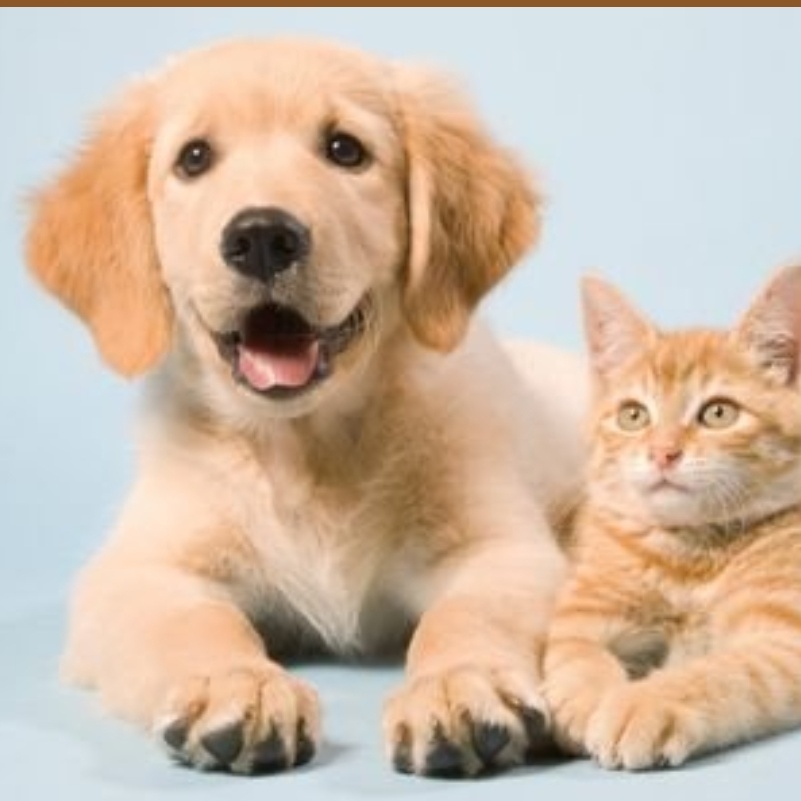
Pet Health Insurance for VIP's (Very Important Pets)


Pet Health Insurance for VIP's (Very Important Pets)


When most people think a pet is spoiled feel that it is getting to many treats, has too many expensive toys scattered around the ground, or it's allowed to sleep at night in bed with its humans, normally taking up the entire bed and hogging all the covers. I once even saw a pot bellied pig who was so spoiled that its humans designed an built the miniature porker its very own out house so it wouldn't get cold answering natures call.

Japanese pet owners take the term very-important-pets to a whole new level. In Japan well loved pets enjoy aromatherapy, acupuncture, trips to the doggie spa where they a lovingly massaged, and in some cases have their very own personal trainers. 

It is a well known fact that we tend to spoil our pets because we love them we want them to have the best of everything but recent studies have shown that pampering our pets might actually doing as much harm as good. One recent study from an undisclosed source claims that we are actually making our beloved pets stupid by spoiling them. We are in such a hurry to make their lives easier that we take away their need to problem solve on their own. The less they have to loose their brains the less they can do on their own. This problem is especially common in households were the dog seems to be running the show. What would happen to that pet if it really had to think for itself?

A concern veterinarians have regarding spoiled pets is weight. The more spoiled the pet the more obese it seems to become. The obesity can lead to later health issues that can actually decrease the life of the pet. Weight can affect the skeletal system until hip problems start to develop, obesity can cause respiratory and cardiac problems, the extra pounds of blubber constantly pushing on the joints can start to create stiffness and discomfort.  

It is not uncommon for veterinarians to see a lot of the spoiled pet as it enters into the last few years of its life. The problem with older overweight pets is that every time they are brought to the vet clinic they are exposed to more germs, bacteria, and viruses that can lead to still more endless trips to the vet.

For the most part the humans caring for the very-important-pet don't have to worry about the increasing number of the visits to see a doctor. Most doting parents bought pet health care insurance during the early years of the pet's life. All of the pet's health care needs are essentially bought and paid for.

I wouldn't be the least bit surprised if in a few years you didn't see pet health insurance companies raising the rates of their VIP customers. On solution to the pudgy, somewhat shallow house pet is the appearance of specialist animal slimming clinics. Pet owners can go to these clinics and learn all about their pets nutritional needs and exercise programs that will help the spoiled child start to shed some of those unnecessary pounds.  

#Pets #Dogs #Cats #Animals

Keeping Your Pet Safe In The Warm Weather Months


Keeping Your Pet Safe In The Warm Weather Months


The hot summer months can pose a real threat to pets. Cats and dogs simply cannot tolerate extreme temperatures. As a responsible pet owner, you need to make sure that your pet is safe during these warm weather months. Here are some tips to help you and your pet.


Never leave an animal in a car: All pet owners should know the dangers of leaving any pet in a hot car, even if it is just for a few minutes. This especially applies to dog owners. Dogs love riding in the car and it is very tempting to let your dog ride to the grocery store with you. However, pet owners should never leave cats or dogs inside a car during hot weather. Even with the windows open, a car parked in the hot sun can reach sweltering temperatures. Pets left in hot cars can die within minutes or can suffer from severe dehydration. The best rule of thumb is the leave your pet at home in the cool air conditioner during the hot weather. You should also know that if you are a dog owner that allowing your dog a ride the bed of a truck could be very dangerous for a dog at any time of the year. One jolt can send your dog flying out of the bed of the truck, resulting in injury or worse. Even putting your dog unsupervised in the bed of a truck in a public place can be a recipe for disaster. Be extra careful with your pet during traveling. If you must travel with your dog or cat, secure your pet in the car and leave the air conditioning on at all times. Let your pets take frequent breaks on long trips and give them a chance to get a drink of water. 


Be Careful Walking the Dog:  There are many areas where the temperatures soar in the warm months. In places where the temperatures reach an all-time high, it is a good idea to walk your dog either in the morning or in the evening when temperatures are lower. During the summer, temperatures will be at the highest during midday. You should refrain from walking your dog during this time. Not only will you and your dog become hot and dehydrated, the hot concrete can burn your dog’s sensitive paws. When you do walk during hot weather, take along water for your dog and stop frequently to let your dog drink. Your dog will thank you for this.


Practice Proper Pet Grooming: It is always a good idea to keep your pet properly groomed, but it is especially important during the summer months. If your dog has very long fur, it is like wearing a fur coat in 95-degree weather. It is not comfortable to your pet. Also, keep an eye out for pets that have much of their fur trimmed off, such as poodles. Longhaired dogs can quickly overheat in the high temperatures. Poodles and other breeds with short cuts can get sunburned. Sunscreen does not protect dogs. With long haired dogs, regular brushing also helps remove the winter undercoat and can help your dog better regulate body temperatures during hot weather. Regular clipping of long hair can also help keep your dog cool. Even longhaired cats can benefit from a summer clipping. Longhaired cats are easily overheated, even if they do stay indoors. 


Watch for Insects: Insects can be bothersome to your pet during the warm, summer months. Spring and summer are when fleas and ticks are the highest. Mosquitoes are also out during this time of year. It is always a good idea to make sure your dog and cat are getting their monthly flea and tick preventative. Your dog also needs to stay current on heartworm preventative, as mosquito bites can cause heartworms. Also, keep a first aid kit on hand for bee or wasp stings.


Outdoor safety: Summer is often when people spend a lot of times outdoors. Whether it is working in the yard, visiting the lake or swimming in the pool, you need to take extra caution when your pets are with you outside. If you mow your yard or put chemicals on the grass, be sure your pets are indoors and away from the dangers. Also, if your dog enjoys the water, keep a close eye on your pet. Most pets can swim instinctively, but it is always a good idea to watch. If you enjoy taking your dog out boating, you can buy life preserver vests for your dog to wear. You can never be too safe when it comes to your beloved furry friend.

#Pets #Cats #Dogs #WarmWeather #HotWeather #PetCare

Can Feral Cats Be Tamed?


Can Feral Cats Be Tamed?


Feral cats are different from stray cats. Stray cats are usually the product of a person’s irresponsibility. Irresponsibility could be defined in two ways when it comes to strays:  dumping a cat to fend for itself and/or neglecting to spay and neuter their cats. Stray cats can be timid, but are often easily tamed. Feral cats are cats that were probably born to wild parents and are wild themselves. Feral cats have had no human interaction and are very difficult to tame. 


Because feral cats are difficult to tame, thus making them undesirable indoor pets, there are many rescue organizations that are dedicated to the trapping and spaying and neutering of feral cat colonies. Many times, these organizations trap the cats, have them spayed and neutered and then release them near where they were originally found. Then, they dedicate themselves to providing food to these colonies. 


Feral cats are everywhere. You can find feral cats in rural or farm areas, abandoned buildings and even parks and alleyways.  You might catch a glimpse of them, but chances are that you would not be able to catch them easily.  After all, they have not been around humans so any contact would make them shy away from you. If you have feral cats in your neighborhood, you may wonder whether these animals can be kept as pets.


Taming a feral cat can be a difficult proposition simply because they are not accustomed to humans. Depending on the level of their interactions with humans, some cats might be classified as semi-feral, total feral or even a converted feral cat.  Depending on what your cat is classified dictates your potential success in socializing it. In addition, it takes a lot of time, love and patience to tame these cats.


If you find a cat that is has been feral for a years, chances are that there is little to no chance of socializing it. With no human contact at all, these cats are overly independent and would never depend on a human for food or companionship. You might have better success with a cat that is semi-feral. In these instances, they have had some limited human contact. A converted feral cat would probably have the best chance at a normal life as someone’s pet. These cats were once domesticated, meaning that they probably started life as a pet and then was abandoned. The converted feral cat will more than likely eventually respond to human interactions such as love and affection.


If you want to attempt to tame a feral cat, remember that it can be hard work reaching out to the feral cat and getting them to trust you after being on their own. Sometimes, your efforts will not pay off for months, especially with older cats. If your attempts are a success, the rewards are well worth it because a strong bond can develop and loyalty and love is the reward.  


If you believe you have the time and the love to attempt to tame a feral, there are some things to remember. First, these cats see you as an intruder and are very likely to spit, hiss, bite and claw. This is a normal response as they are defending themselves against a perceived predator – you. If they manage to get in a few bites or scratches, you should apply first aid immediately. After you have successfully trapped a feral cat, your very first step is to get it to the vet for spay or neuter and to check for any diseases it may carry. This is a necessary step and an absolute must if you have other pets in the house. After you have arrived home with your cat, you need to let it adjust to you and the surroundings by giving it a small, safe place to stay. Allow the cat to stay in a small bathroom or laundry room, where it does not feel overwhelmed. You will need to take time every day to spend time with the cat and allow the cat to adjust to you.


Remember, not all feral cats can be socialized; however with love and patience, your time and efforts may be worthwhile.

#cats #pets #animals

What To Do About Litter Box Accidents


What To Do About Litter Box Accidents


There is probably nothing more frustrating to a cat owner than litter box accidents. In fact, habitual litter box accidents are the number one reason why cat owners give their cats up to animal shelters. When your cat refuses to use the litter box, there is usually an underlying reason. Before you become exasperated by your cat's inability to make it to the litter box, here are some common causes for this problem.


Litter Box Woes

One of the main reasons why a cat begins to refuse to use the litter box is because their own litter box is dirty. Many cats are extremely fussy about the condition of their litter box, while others will use it no matter how full it looks. If your cat has a litter box accident, the first place you should check is the litter box. Some pets prefer that their litter box cleaned out after each use. While this is time consuming for you, it may be a simple fix to this problem. You should start a daily routine of cleaning out your cat box and you may find that this solves your problem.


Another common problem related to the litter box is there are not enough litter boxes for the number of cats you have. For example, if you have four cats in your home, and you should have at least one litter box per cat. Cats like to have their own space, and this is especially true when it comes to their litter box. In fact, many veterinarians recommend that even if you have only one cat, you should have at least two litter boxes.


In addition, when it comes to litter box accidents, look at the type of litter you are using and the size and shape of the litter box. If you have a tray litter box without a lid, maybe your cat would feel more secure in a closed box. If you have an older cat, or a young kitten, you cat may have a difficult time getting in and out of a closed top box. Watch your cat carefully when he or she uses the litter box. If you find that, they are having a difficult time getting in and out of the litter box and consider getting a different box. Also, look at the type of litter you use. Your cat may be extremely fussy about the smell or texture of the litter. Many people preferred using the scoop away litter; however, many cats will not use this type of litter, because it sticks in the paws. You may also find that the litter you use causes a lot of dust that is disagreeable to your cat.


Health Issues

Your cat may be refusing to use the litter box, because of health related issues. If you have tried all the above tips and nothing seems to be working, then it is time to visit your veterinarian.  Cats that have bladder problems, urinary tract infections, kidney failure and diabetes are more prone to litter box accidents than healthy cats. You need to take your cat to the vet and have a thorough health exam performed to find out if your cat is suffering around an ailment. If this is the case, your veterinarian can prescribe medication to help your cat.


Habit and Your Cat�s Territory

If your cat has been ill or have stopped using the litter box for any of reason, you may find that your cat returns to their old ways out of habit. It is extremely important that when your cat has a litter box accident, that you clean the area thoroughly to get rid of any odors that may remain. In addition, your cat may have not stopped using the litter box at all but instead, your cat is marking his or her territory.  This is especially common in multi-cat households or when you bring in new pet into the home. This is also more common in males than females. Even male cats that are neutered can mark their territory by spraying urine.


When you determine why your cat is having litter box accidents, you can find a solution. It takes time and patience; however, this is much more preferable than getting rid of your cat.

#cats #pets


Using Multiple Pets to Find Pet Health Insurance for a Low Cost


Using Multiple Pets to Find Pet Health Insurance for a Low Cost

You love your pets. They are the first things you see when you wake up in the morning. They lay at your feet while your eating breakfast, they run with you as you get your early morning exercise, they look heart broken when you leave them behind, when you get home from a long day at work they are so happy to see you that they can hardly contain their joy, they listen attentively as you rant and rave about the trails and tribulations of your day, at night they crawl into bed with you and keep the nightmares at bay while you sleep. What they don't do is criticize you, judge you, or abandon you.


There is very little you wouldn't do for your pets. That�s what you think almost everyday of the year but on the days you have to take them to the vet and pay the obligatory bill you have to wonder. All your cat had done was a treatment for a mild case of ear mites. And your dog had been a yearly rabies vaccination. The whole processes for both pets took less then fifteen minutes. How could it possible cost so much?


You might be able to see the benefits of pet health insurance. You might salivate at the idea of not dealing with the ginourmous vet bills you get every six months ago. You might even daydream about the day you don't dread the financial repercussions of taking your dog or cat the vet. But right now you simply don't think you can afford to monthly bill a pet health insurance bill would put on your budget, after all its Affiliate Marketing Businesses VS Sole Ownership

#business #marketing #AffiliateMarketing

https://masonmediaproductions.blogspot.com/p/affiliate-marketing-businesses-vs-sole.html like having pet health insurance would make the vet bills completely disappear, more then likely you would still have to pay the office visit.

You might not think you can afford pet health insurance at the moment but don�t walk away from an offer, not yet. Looking at a policy does not mean that you have to walk away from it. If you are a clever bargain shopper there are ways to find pet health insurance at a low cost.

If you have more then one pet you probably automatically qualify for a lower premium. Lots of pet health insurance companies offer multiple pet discounts. There is one little catch, a lot of the companies only offer multiple pet discounts if the pets are the same species. In other words if you have two cats that you insure you will pay a lower premium but if you have a cat and a dog lots of pet health insurance companies will consider it two completely different accounts.

Are you starting to despair? Don't worry two much, while many companies don't consider pets of separate species ground for a multiple pet  discount a lot of those same companies have a policy that offers discounts to customers who carry more then policy with the company. The multiple policy discount usually takes about ten percent off the total bill but a good bargains shopper can find companies that offer higher discounts all they have to do is be willing to spend the time to shoe around.

#pets #dogs #cats

1/27/25

Indoors Or Outdoors: What is Best For Your Pet


Indoors Or Outdoors: What is Best For Your Pet

Before you take on the responsibility of owning a cat or dog, you need to take the time to consider the living arrangements for your pet. Many people adopt pets with the idea that they will be raising an outdoor animal. How many people in your neighborhood keep their dogs or cats outdoors at all times? The fact of the matter is, outside is not a safe place for a cat or a dog. When you adopt a pet, you need to make sure that you are ready to allow your pet into your home.


Pets Love Being Outside

It is true that cats and dogs both will love being outside, it is their natural environment. Cats delight in chasing birds, climbing trees, and hiding in shrubs. Dogs adore barking at the neighbors, chasing squirrels, and digging. However, there are many dangers to keeping your pet outside at all times. Dogs tend to get more outside time in cats. Owners take their dogs out for walks, and in some cases allow their dogs, unsupervised access to the backyard from time to time. Cats are usually either indoor pets or outdoor pets.  


It is more common nowadays, for owners to keep their cats indoors as they begin to realize the dangers of allowing their cat to live outdoors at all time. It is highly recommended that you keep your cats and dogs inside. For cats, you can help them explore their natural instincts inside by giving them plenty of places to run and play inside your home.  Buy your cat a good scratching post with a high perch and install a window seat so they can gaze at the birds outdoors.


Dangers of Outside

The number one danger to your pets when they go outside is other animals. You never know when your dog or cat will encounter a stray or strange cat or dog from down the street. You know that your pet is properly vaccinated, but you do not know that health condition of other animals outside. In addition, if your dog or cat gets into a fight with another animal.  Your pet can be seriously injured or harmed.  Unless you supervise your pet at all times when they are outside, you never know when your cat or dog will encounter a strange animal.


Other dangers of allowing your pet to live outside are cars and other people. A cat darting across the street late at night is a recipe for disaster. What if your dog gets loose from your yard and encounters a child?  How will your dog react? You hope that your dog will be good and stay friendly. However, what happens if the child begins to taunt or tease your dog or poke a stick at him? If your dog bites or scratches another person, chances are, you will be responsible for your pet's actions. Many pet owners have found themselves in a serious situation when their dog or cat has acted aggressively when outdoors.


When your cat or dog stays indoors, you can also help control fleas, ticks, and the exposure to heartworms. This is not to say that you should not treat an indoor pet for these problems. All dogs, whether the event indoors or outdoors, should be on a monthly heartworm preventative. Both cats and dogs should also be treated with monthly preventative. It is important to remember though, if your cat or dog lives outdoors, you will have many more problems when it comes to fleas and ticks.


As you can see, there are many reasons why you should keep your dog or cat indoors. Pets that are indoor pets live longer and healthier lives than pets that live outside. This includes all pets, once you make them an indoor animal; you need to protect them from anything that might happen if they get outdoors, they now depend on you to provide a home for them.

#cats #dogs #pets #animals #cat #dog


FDA recommends pet food companies revisit safety plans amid bird flu outbreak


FDA recommends pet food companies revisit safety plans amid bird flu outbreak

Cats appear to be especially vulnerable to the H5N1 virus.

https://snip.ly/ap0qbg

#FDA #BirdFlu #Cats #Pets

1/9/25

10 Best Flea & Tick Treatments and Prevention for Dogs in 2025 – Reviews & Top Picks


10 Best Flea & Tick Treatments and Prevention for Dogs in 2025 – Reviews & Top Picks


2025 Pet Wellness Guide: Tips for Healthier Cats and Dogs


2025 Pet Wellness Guide: Tips for Healthier Cats and Dogs


Caring For Your Diabetic Cat


Caring For Your Diabetic Cat


If your cat has just been diagnosed with diabetes, you might be afraid of what the future holds for your beloved pet. The good news is that cats can live long, healthy lives after being diagnosed with diabetes.  The trick is that you, as a pet owner, must be dedicated to care for your cat during his or her illness. Diabetes is not a death sentence for pets.  Here is some information to help you understand what you need to do to help your diabetic cat.


Regular Medical Care: After your cat has been diagnosed with diabetes, it is imperative that you visit your veterinarian on a regular basis. Your cat will need regular checkups to check the blood sugar levels and to make sure that he or she is receiving the right amount of insulin. When your cat goes in for a check up, the vet will ask that you do not feed your cat twelve hours part to the checkup. While your cat is at the check up, your veterinarian will draw blood and check blood sugar levels. People that have diabetes are able to check their blood sugar at home. However, this is not possible with cats unless you buy a glucose monitoring system. Your will probably ask that you bring your cat in every three months for this type of checkup.


Getting your Cat Insulin: When your cat has diabetes, it is your responsibility to make sure that your cat receives the proper dose of insulin twice a day. The amount of insulin that your cat will need will vary according to your cat's individual condition.  Most cats will receive between three and five units of insulin to times per day.  It is important that you establish a routine for your cat.  Your cat needs to receive insulin 12 hours apart.  Most people that have diabetic cats will give their cat and insulin shot at the same time every morning and at the same time every evening. 


 It is not difficult to learn to give your cat insulin injections.  Your veterinarian will walk you through the process, and then you can repeat this at home. Usually your veterinarian will recommend that you give your cat injections between the shoulder blades in the scruff of the neck. With patience and practice, your cat will barely feel the injections. In fact, most diabetic cats know when it is time to get their injection and they may actually remind you by meowing.


Stocking the Right Supplies: It is important that you have the right supplies on hand to help treat your diabetic cat. You will need a vial of insulin as prescribed by your veterinarian, syringes and alcohol swabs.  It is always a good idea to order your insulin when you are about halfway empty. It may take a couple days for your veterinarian to order your insulin. Your veterinarian might also recommend getting your diabetic cat vitamin supplements and seating him or a special prescription diet such as Science Diet W/D. You must be able to see your cat immediately after he or she receives their injection.  It is also a good idea to have some numbers to your veterinarian into at least two 24-hour emergency vet clinics available with you at all times just in case your cat needs help. 


 Many people who owned diabetic cats worried about the costs that this condition incurs. It certainly does cost money to take care of a diabetic cat. A vial of insulin will cost you approximately $85 and will last you about two months. A box of 100 Syringes will cost about $30 and will last you 50 days, as you should use a new syringe for each injection. Prescription food will cost you about $40 for a 20-pound bag. However, it is important to remember that your cat is a part of your family. Most pet owners do not hesitate spending this kind of money on their pets.


Patience and Love: Above of all when you have a diabetic cat, you need a lot of patience and a lot of love.  It is not always easy to care for sick and ailing cat.  However, with the right care, you can expect your diabetic cat to have many more years of happy life.

#cats #diabetes #pets

1/8/25

Keeping Your Pet Safe In The Warm Weather Months


Keeping Your Pet Safe In The Warm Weather Months

The hot summer months can pose a real threat to pets. Cats and dogs simply cannot tolerate extreme temperatures. As a responsible pet owner, you need to make sure that your pet is safe during these warm weather months. Here are some tips to help you and your pet.


Never leave an animal in a car: All pet owners should know the dangers of leaving any pet in a hot car, even if it is just for a few minutes. This especially applies to dog owners. Dogs love riding in the car and it is very tempting to let your dog ride to the grocery store with you. However, pet owners should never leave cats or dogs inside a car during hot weather. Even with the windows open, a car parked in the hot sun can reach sweltering temperatures. Pets left in hot cars can die within minutes or can suffer from severe dehydration. The best rule of thumb is the leave your pet at home in the cool air conditioner during the hot weather. You should also know that if you are a dog owner that allowing your dog a ride the bed of a truck could be very dangerous for a dog at any time of the year. One jolt can send your dog flying out of the bed of the truck, resulting in injury or worse. Even putting your dog unsupervised in the bed of a truck in a public place can be a recipe for disaster. Be extra careful with your pet during traveling. If you must travel with your dog or cat, secure your pet in the car and leave the air conditioning on at all times. Let your pets take frequent breaks on long trips and give them a chance to get a drink of water. 


Be Careful Walking the Dog: There are many areas where the temperatures soar in the warm months. In places where the temperatures reach an all-time high, it is a good idea to walk your dog either in the morning or in the evening when temperatures are lower. During the summer, temperatures will be at the highest during midday. You should refrain from walking your dog during this time. Not only will you and your dog become hot and dehydrated, the hot concrete can burn your dog’s sensitive paws. When you do walk during hot weather, take along water for your dog and stop frequently to let your dog drink. Your dog will thank you for this.


Practice Proper Pet Grooming: It is always a good idea to keep your pet properly groomed, but it is especially important during the summer months. If your dog has very long fur, it is like wearing a fur coat in 95-degree weather. It is not comfortable to your pet. Also, keep an eye out for pets that have much of their fur trimmed off, such as poodles. Longhaired dogs can quickly overheat in the high temperatures. Poodles and other breeds with short cuts can get sunburned. Sunscreen does not protect dogs. With long haired dogs, regular brushing also helps remove the winter undercoat and can help your dog better regulate body temperatures during hot weather. Regular clipping of long hair can also help keep your dog cool. Even longhaired cats can benefit from a summer clipping. Longhaired cats are easily overheated, even if they do stay indoors. 


Watch for Insects: Insects can be bothersome to your pet during the warm, summer months. Spring and summer are when fleas and ticks are the highest. Mosquitoes are also out during this time of year. It is always a good idea to make sure your dog and cat are getting their monthly flea and tick preventative. Your dog also needs to stay current on heartworm preventative, as mosquito bites can cause heartworms. Also, keep a first aid kit on hand for bee or wasp stings.


Outdoor safety: Summer is often when people spend a lot of times outdoors. Whether it is working in the yard, visiting the lake or swimming in the pool, you need to take extra caution when your pets are with you outside. If you mow your yard or put chemicals on the grass, be sure your pets are indoors and away from the dangers. Also, if your dog enjoys the water, keep a close eye on your pet. Most pets can swim instinctively, but it is always a good idea to watch. If you enjoy taking your dog out boating, you can buy life preserver vests for your dog to wear. You can never be too safe when it comes to your beloved furry friend.

#pets #dogs #cats #animals


1/3/25

Fascinating and Novel Pets: The Turtle


Fascinating and Novel Pets: The Turtle

Do you remember reading children's books with turtles as the main pet? Children adore turtles as pets. They are very interesting creatures and there are many species. When you decide to have a turtle for a pet, you will need to know the exact species for the proper care.  Let us look at some turtle species you can own. There are two types of turtles, the terrestrial and the aquatic. This means the first type of turtle spends more time on the land, while the aquatic turtle needs to have a great deal of water.


Box and mud turtles are the terrestrial turtles. They require land to hibernate during the winter and sun on during the day. Most terrestrial turtles need 12 hours of sunlight, which can be provided by a UV lamp. Turtles are very susceptible to temperature changes often living in 80 degrees during the day and 70 degrees during the night. Terrestrial turtles also need water not only to drink, but also to swim around in.


Aquatic turtles are sliders and painted turtles. Sliders typically live in swampy areas or near lakes with a lot of mud. They tend to basic in the sun during the day as well as swim to cool off. The painted turtle like the slider is mostly aquatic so they spend more time in the water than out sunning themselves. The painted turtle is the most complicate turtle to take care of because they require special care.


Once you have decided on the type of turtle you wish to have you will then know what size tank you need. Most turtles require a 40 gallon tank or larger to have room for land and water. You will want to have plants in the tank, but make sure they are not poisonous to your turtle because they will eat them. You pet shop should be able to tell you the right type of plants to have. Wood chips and bark are not a good idea, not only do they harbor bacteria and molds, but the turtle can eat them. A turtle does not have a large digestive track and therefore wood chips often cause blockages. Certain turtles can even have small rocks to burrow under along with the dirt.


Some proper food for turtles is often lettuce, goldfish, special feed sticks, berries and insects depending on the species of turtle you own. Water is very important to your turtle.  You never want to give them tap water to drink. It is also best to give them natural spring water or non- chlorinated water for swimming in. Chlorine and other chemicals of tap water can cause bacteria in their digestive systems.


Turtles can make great pets if you know a little about their habitat needs. Turtles are wondrous creatures that you can find in most warm climates walking along the roads or basking in the sun, so what better way than to give you child a great pet than to own a turtle. Keep in mind that turtles are sensitive and you will not want to handle them a lot.  They do need to hibernate to live a longer life requiring you to keep the turtle somewhere little children cannot disturb them during the fall period. Turtles are both fascinating and novel pets for children.


#pets #turtle #animals